
From professional learning to classroom practice: Explicit Instruction at Daramalan College
The science team at Daramalan College took part in Stile Academy’s Explicit Instruction sprint and went on to win the grand prize. We spoke with Head of Science, Nicole Hinton, about how a small, deliberate change to teaching practice helped teachers slow down, reflect and try new approaches.

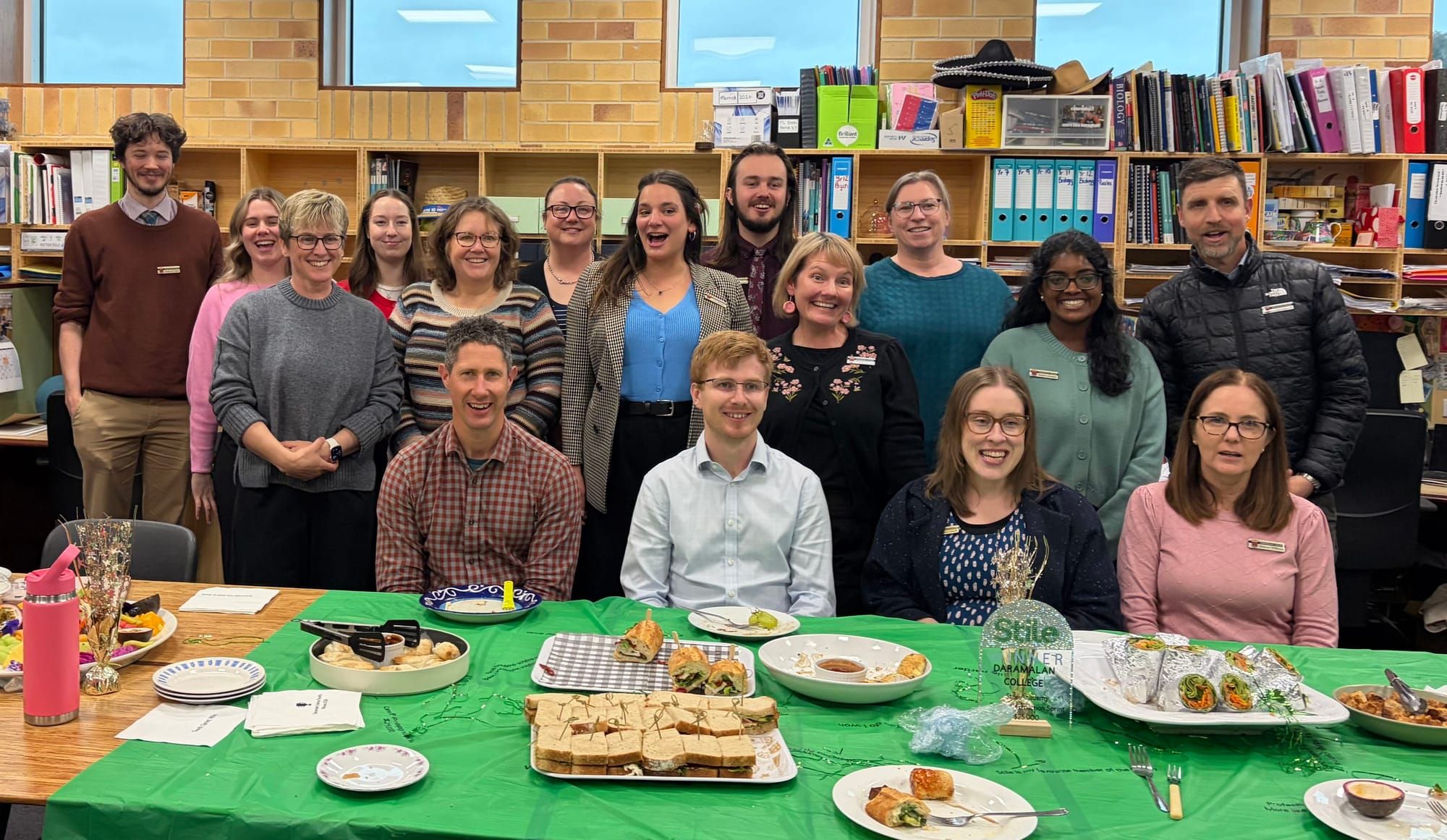
When Nicole Hinton, Head of Science at Daramalan College, registered her department of 13 teachers for the Explicit Instruction sprint in Stile Academy, she was looking forward to a shared focus on evidence-based teaching.
The team set to work, learning about Explicit Instruction and deciding how they would make a small change or "Teaching Tweak" to apply their what they had learned. Their efforts saw them win their school's Stile subscription for next year, but we were most interested in the wins that happened within their classrooms.
One small change at a time
The Explicit Instruction sprint guided science teams through a short action-research cycle in Stile Academy, our suite of online Professional Learning modules.
After exploring a specific practice relevant to Explicit Instruction, teachers implemented their chosen Teaching Tweak and reflected on it. Nicole says it was important to provide teachers with the time to lay the groundwork together.
“We started the module during our Department meeting and planned for implementation. Each teacher then implemented their planned teaching tweak and reflected in their own time.”
This gave teachers a shared foundation, while allowing them the freedom to focus on what was relevant to their own classroom. The team felt the module gave them “time to slow down and reflect on their practice and the way they use Stile every day.”
From professional learning to classroom practice
Daramalan has been using Stile for a number of years to support both online and offline learning across its science program. Nicole explains that Stile supports the team with planning and consistency across year levels.
“It helps us to plan units and the sequence of units for each year level. Stile helps us to streamline processes, especially with practical lessons and risk assessments.”
She feels one of the most valuable aspects of Stile is how it makes student thinking visible.
“One of the best features of Stile is the ability to share student work with the class to assist in explicit instruction of responding to questions.”
The sprint encouraged the team to use approaches like these more deliberately. Nicole could see clear value in the way it motivated teachers to experiment with new techniques and build them intentionally into their lessons, rather than overhauling their practice.
“We have been using Stile for many years, but the module has encouraged teachers to more deliberately plan and incorporate different teaching tweaks including checking for understanding using whiteboard wipeouts and giving feedback to students using worked solutions and exemplar answers.”
What did students notice?
Student feedback emphasised their engagement in the lessons as well as the difference that explicit instructional techniques made for their learning.
“It’s helpful that you can edit answers to long questions after seeing the model answers to improve and seeing the teacher explain the best parts of the answers.”
— Matilda, Year 8
“The Check-ins and practice tests are useful to try questions that are similar to or are going to be on the test.”
— Saxon, Year 7
Small tweaks, shared learning
Daramalan’s experience is a useful reminder that professional learning doesn’t always have to mean huge change.
Giving teachers the time and structure to focus on one small element of their practice can create space for experimentation, reflection and richer conversations about teaching across a whole department.
Congratulations to Nicole and the science team at Daramalan College on their sprint win, and on the thoughtful way you approached the process together.
To the 126 schools that took part in the Explicit Instruction sprint: thank you for making time to try something new, reflect on your practice and learn alongside your colleagues. There may have been only one competition winner, but the real prize is the impact your learning made on your practice and your students.